
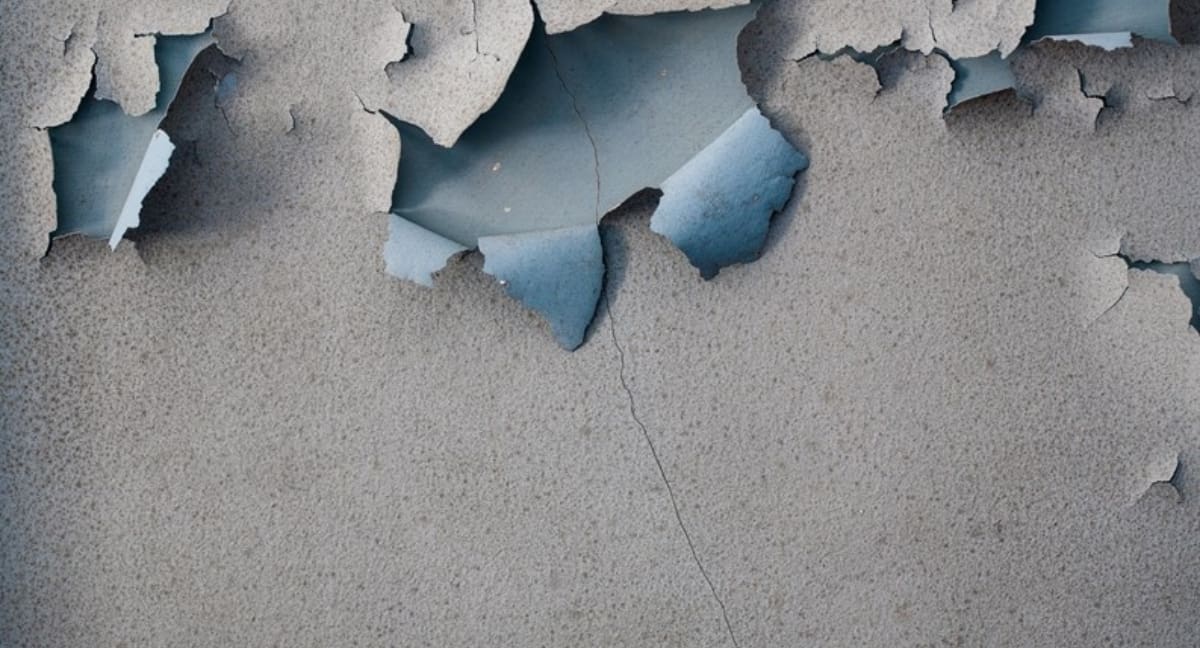
Maria Gonzalez manages six walk-up buildings in Washington Heights, all built in the 1950s. Last March, a tenant with a toddler filed a complaint after noticing chipped paint near a bedroom window. Within two weeks, New York City Department of Housing Preservation & Development (HPD) issued a Class C notice of violation—carrying a $1,500 fine per affected unit. Maria hadn’t conducted the required annual lead inspection. What she thought was minor cosmetic damage turned into an $18,000 penalty across multiple apartments.
According to the New York City Department of Health and Mental Hygiene (DOH), lead poisoning still affects over 4,000 children annually in the city, and enforcement of Local Law 1 has intensified in 2025 as HPD conducts more proactive spot-checks on pre-1960 buildings.
If you’re a property owner or manager in New York City, understanding NYC lead paint laws isn’t optional—it’s a legal mandate with serious financial and health consequences. This guide walks you through Local Law 1 requirements, inspection protocols, penalty structures, and the practical steps to maintain compliance.
What Are NYC Lead Paint Laws?
NYC’s lead paint laws center on Local Law 1 of 2004, designed to prevent childhood lead poisoning in residential buildings. The law applies to:
- All multiple dwellings built before 1960, and
- Buildings constructed between 1960–1977 where lead paint is present or presumed.
Under Local Law 1, landlords must:
- Conduct annual lead inspections in units where a child under six lives or regularly visits.
- Remediate hazards using certified professionals.
- Provide annual tenant notices about lead risks.
- Maintain inspection and remediation records for 10 years.
Local Law 1 Overview
The law mandates proactive safety and includes “presumptive” violations: HPD may issue fines for failure to inspect—even without visible hazards—if a child under six resides in the unit.
How NYC Lead Laws Differ from Federal EPA Requirements
|
Element |
Federal EPA Rule |
NYC Local Law 1 |
|
Scope |
Pre-1978 housing nationwide (disclosure) |
Pre-1960 + 1960–77 if lead presumed |
|
Inspections |
Required only when renovating |
Annual inspections mandated in defined units |
|
Disclosure |
Yes during sale/lease |
Yes + annual notice + proactive hazard control |
|
Enforcement |
Primarily federal disclosure rules |
Active city enforcement via HPD & DOH inspections |
Bottom line: The EPA sets the floor; NYC builds the ceiling.
Who Must Comply with NYC Lead Paint Laws?
Covered Properties
Local Law 1 applies to:
- Any multiple dwelling (3+ units) built before 1960.
- Buildings from 1960–1977 if lead-based paint is known or assumed.
- Any unit where a child under six years old resides or visits 10+ hours/week.
Exemptions: Buildings with a valid Lead-Free Certificate or Lead-Safe Certificate issued by NYC DOH.
Key Landlord Obligations Under Local Law 1
1. Annual Notice to Tenants
Each year between January 1–16, landlords must deliver an Annual Notice informing tenants of:
- Their right to request a lead inspection.
- The building’s lead status.
- Contact info for NYC’s lead poisoning prevention program.
Failure to deliver this notice is a violation in itself.
2. Mandatory Inspection Triggers
Landlords must arrange certified inspections when:
- Annually, if a child under six is present.
- At tenant turnover, if a child under six moves in.
- After peeling paint complaints.
- Whenever you see peeling paint in a covered unit.
Licensed inspections must often use XRF (X-ray fluorescence) technology.
3. Remediation Requirements
If hazards are found, landlords must:
Hire a certified lead abatement contractor or follow “lead-safe work practices”.
Complete remediation within 30 days of the inspection (or sooner if HPD orders).
Conduct post-remediation clearance testing (e.g., dust wipe samples) that meet safe thresholds.
NYC Lead Inspection Methods: Explained
XRF Testing (Preferred)
- Non-destructive, instantaneous readings.
- Ideal for multi-unit buildings.
- Frequently used by UNYSE as part of their lead testing service. UNYSE+1
Paint Chip Sampling
- A small paint sample is scraped and sent to a lab (3-5 day turnaround).
- Slightly invasive and slower—used when XRF is restricted.
Qualified Inspectors & Documentation
Inspections must be done by a DOH-certified lead inspector. After inspection, landlords must keep detailed reports and if hazards exist, file a “Notice of Lead Hazard Correction” with NYC DOH plus clearance test results.
NYC Lead Paint Violations: Fines & Enforcement
Violation Classes
|
Class |
Condition |
Fine |
|
Class B |
Hazardous condition (e.g., peeling paint) |
$500–$1,000 per violation |
|
Class C |
Failure to inspect or immediate threat to health |
Up to $1,500 per unit; repeat doubles |
Example: 12 units with Class C violations could result in $18,000+ in fines.
Enforcement in 2025
HPD is increasing proactive inspections in high-risk neighborhoods (Harlem, the Bronx, parts of Brooklyn). Staying ahead of inspection beats reacting. UNYSE offers annual inspection & clearance packages. UNYSE+1
How to Stay Compliant: Step-by-Step Checklist
- Confirm whether your building is covered (pre-1960 or 1960–77 with presumed lead).
- Identify units with children under six (collect during lease applications).
- Schedule your annual lead inspection with a certified provider (e.g., UNYSE’s lead inspection & testing service). UNYSE
- Deliver your Annual Notice to all tenants by January 16.
- Remediate any identified hazards within 30 days.
- Conduct clearance testing post-remediation (via a lab partner).
- Submit correction notices and clearance results to NYC DOH.
- Maintain all records for 10 years (inspection reports, remediation invoices, clearance results).
Recordkeeping Best Practices
Store documents in a “lead-compliance binder” for each building:
- Annual Notices + proof of delivery
- Inspector certifications + calibration records
- Work orders + contractor licenses
- Clearance lab reports
Digital backups (scanned PDFs) speed retrieval—HPD may request docs within 72 hours.
Why Work with UNYSE for Lead Inspections & Compliance
UNYSE has decades of experience in New York. UNYSE+1
They help property owners navigate tight deadlines, complex regulations, and potential fines.
What UNYSE Offers
- Fast scheduling (often 48 hours) and 3-5 business day reports.
- DOH-certified inspectors using XRF and other testing methods. UNYSE
- Full documentation: inspection results, remediation recommendations, DOH-ready correction forms.
- Post-abatement clearance services and report submission.
- Portfolio-level scalability for multi-unit/multi-building owners.